|
|
|

|
|

|
|

|
 Dinham House 18th Century |
|
Ludlow
|
|
|
|
|
|
|
|
|
|
Dinham House 18th Century |
|
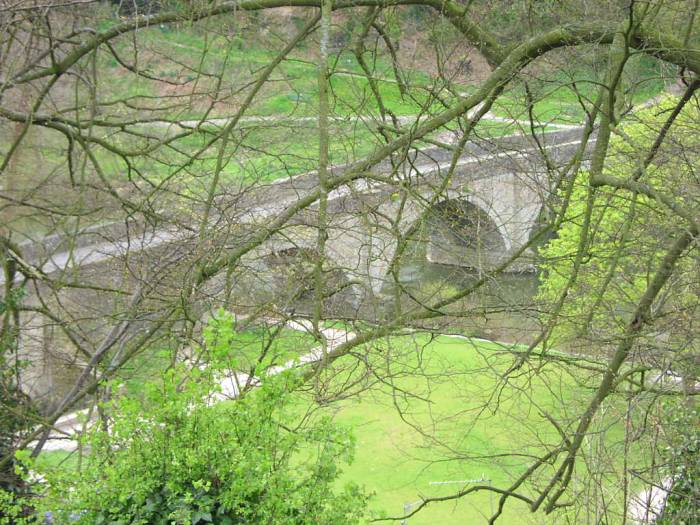
The building of Ludlow castle had started in 1094. It is situated on an excellent defensive site in a bend of the River Teme just south of where it is joined by the River Corve. As happened in many places in those troubled days a settlement soon grew up in the shelter of the castle. In Ludlow's case it was carefully planned and the rectangular street plan can still be seen in the medieval heart of the town. Town walls were built between 1233 and 1304, they were pierced by 7 gates, one of which, Broadgate at the bottom of Broad Street, still survives. The town was incorporated as a borough in 1461.
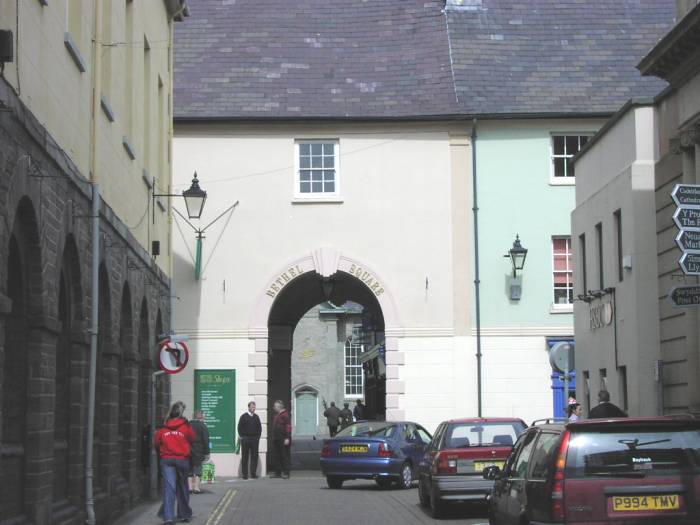
In the later Middle Ages the town prospered from the sale of wool and the manufacture of cloth. By the 16th century the town had become the administrative headquarters of the Council of the Marches of Wales. This was founded by Edward IV and administered the whole of Wales and five adjacent English Counties. During this period many of England's princes and princesses stayed in Ludlow. The castle was home to administrators and bureaucrats. When the Council of the Marches was dissolved in 1689 the castle became derelict but the town continued to prosper and became a fashionable center for the local gentry and many of Ludlow's finest buildings date from this period between 1700 and 1740. In Victorian times the town was less prosperous and this happily contributed to the preservation of its special character.