|
|
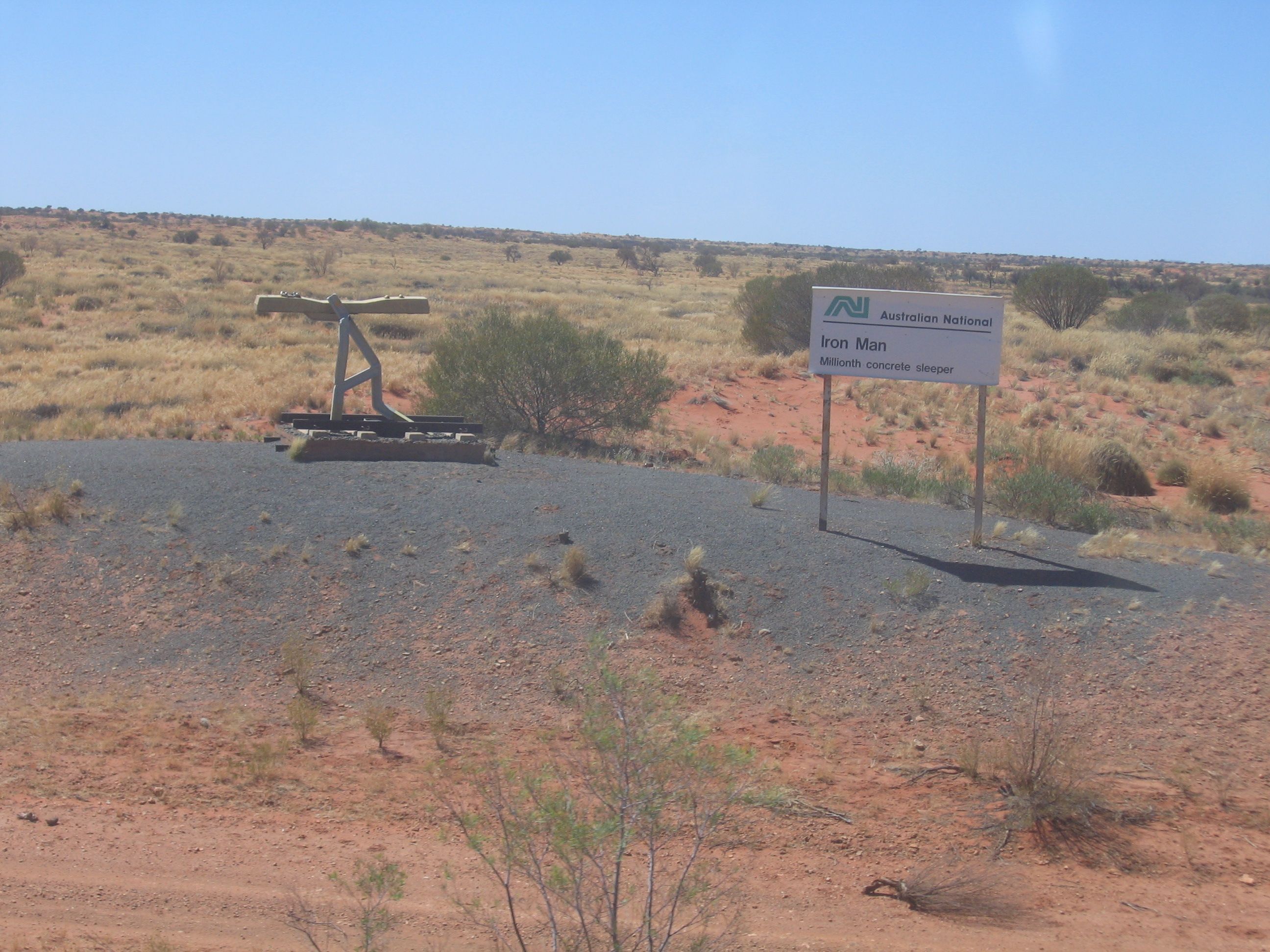
Finke River - World's oldest river The Iron Man - monument to 1,000,000 concrete sleeper Coober Pedy - 80-90% of world's opals mined here |
|
|
Finke River - World's oldest river The Iron Man - monument to 1,000,000 concrete sleeper Coober Pedy - 80-90% of world's opals mined here |
|
Finke River The Finke River is listed in "The Guinness Book of Records" as the oldest river in the world.
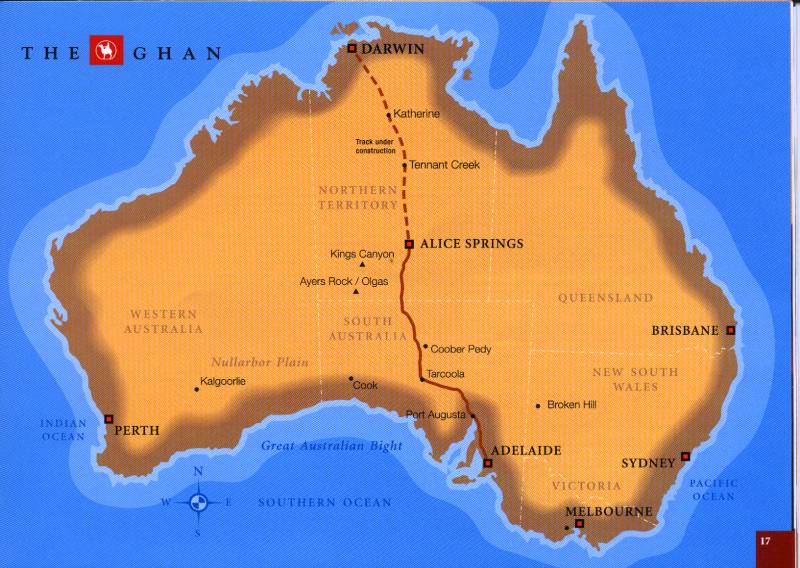
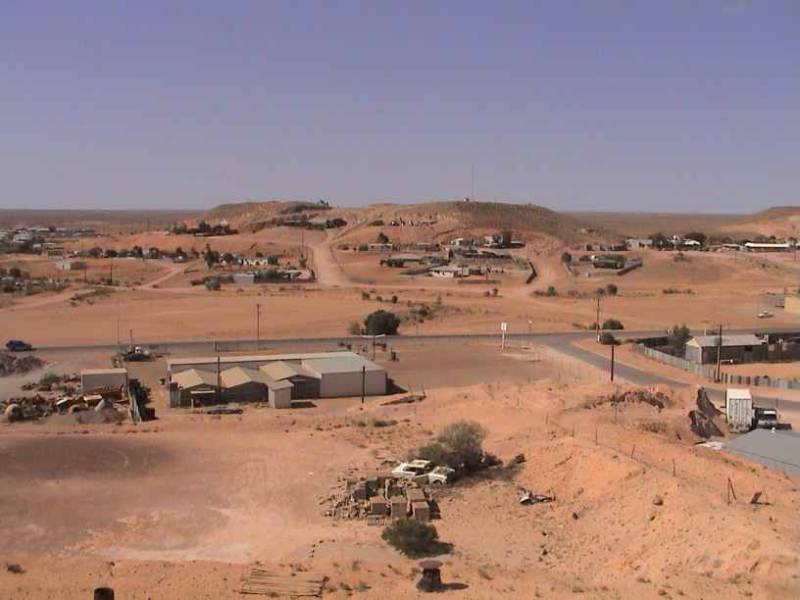
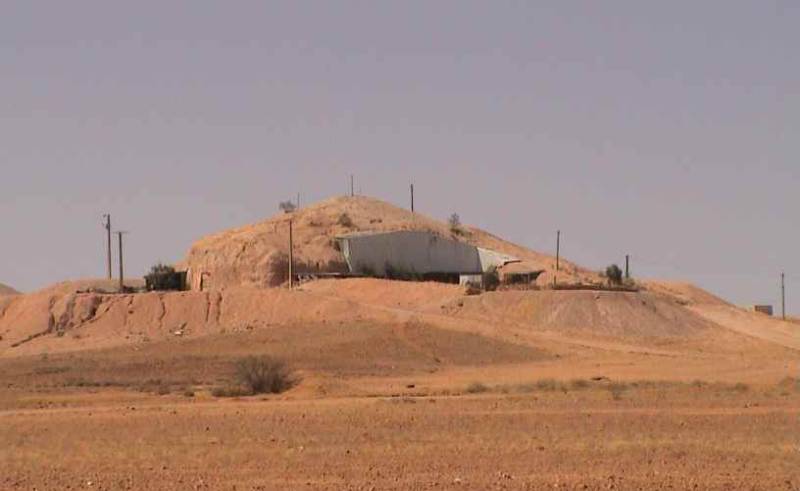
One of the train stops is close to Coober Pedy, the Opal capital of the world. A 15-year old boy named Willie Hutchinson first discovered opals in Coober Pedy in February 1915. The town produces 80-90% of the world's opals. Following World War I, numerous returning soldiers came to Coober Pedy to stake a claim, and it was they that introduced the "dugouts" as a means of living in relative comfort underground. Even today, most of the population of Coober Pedy live and work underground to escape the scorching summer heat, which can reach 52 degrees Celsius (122 degrees Fahrenheit) for 3-4 months of the year. Many of the motels in Coober Pedy also feature underground rooms. Coober Pedy's high quality water comes from an underground source 24km north of town. Coober Pedy comes from the Aboriginal words "Kupi piti" which means, "White man's burrow." Given that most of the town's population live underground in dugouts, the words are very apt. Approximately 3,500 people live in Coober Pedy, and it is estimated that this population comprises 45 different nationalities making it one of Australia's most multicultural towns. Home page | Alice Springs | Ghan Train pictures | Ghan Train history |